
The Osun State Government has advised residents to avoid heavy clothing and stay hydrated to prevent heat-related illnesses.
The warning was given by the Permanent Secretary, Ministry of Health, Dr. Isiaka Adekunle, on the sidelines of a validation meeting held in Osogbo on Tuesday.
The meeting, organised by the state government in collaboration with the Global Fund, Catholic Relief Services and Oxford Policy Management, featured the presentation of the HIV, Tuberculosis and Malaria-Focused Climate and Health Vulnerability Assessment and Osun State Risk Management and Health Adaptation Plan to stakeholders and experts drawn from relevant sectors.
Adekunle said weather conditions play a critical role in human health, noting that staying hydrated and in well-ventilated spaces would help residents cope with rising heat.
“It is part of the changes in the climate that we are seeing. Of course, there will be heat. The temperature will rise, and when that happens, there are heat-related health challenges associated with it.
“So what should we be doing? First and foremost, everybody must know that this is the period when you have to drink a lot of water.
“Secondly, try to wear something very light. You don’t need to put on thick clothes. Some people have the habit of wearing too many clothes. They should desist from that for now. Just put on something light.
“Another thing is, let us open our windows. Let there be free circulation of air. This is not the time to close everything. This is the time to open your windows and allow free circulation of air,” he said.
Commenting on the validation meeting, Adekunle said the initiative reflects the proactiveness of the state government, adding that the adaptation plan focuses on HIV, tuberculosis and malaria.
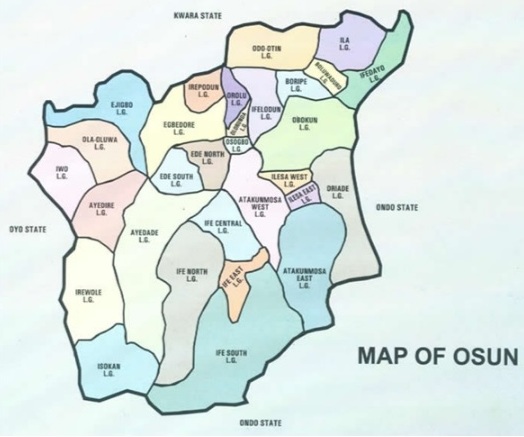
Presenting the report, a consultant with the Oxford Policy Management Group, Dr. Kolawole Olatunbosun, said the assessment examined the impact of climate change on health, particularly on HIV, tuberculosis and malaria patients across all local government areas of the state.
“We know that the climate is changing. There is no harmattan like before. There is flooding everywhere, drought, changes in rainfall patterns. So the essence of our assessment is to examine what is happening and how it is likely to affect our health, especially for HIV, tuberculosis and malaria.
“In our findings, we were able to identify different patterns of transmission of the diseases, and we layered it on the climatic issues across all the local governments. Places that had water before no longer have water – how does that affect health? Places where there were roads before are now flooded, and people cannot go to the hospital. What will the state do?
“If the state does not know where the leg is paining it, it will not know how to fix it. This assessment, using data from the state and from international sources, gives a clear picture of what is going on in the state regarding climate and health, and that will help the state to clearly prioritise and target interventions to where they will be most beneficial,” Olatunbosun said.
Follow the OSUNDOTLIFE channel on WhatsAppKindly share this story | All rights reserved. This material, and other digital content on this website, may not be reproduced, published, broadcast, rewritten or redistributed in whole or in part without prior express written permission from OSUNDOTLIFE.
Contact: editor@osun.life
WhatsApp: 📲 +2348092333666